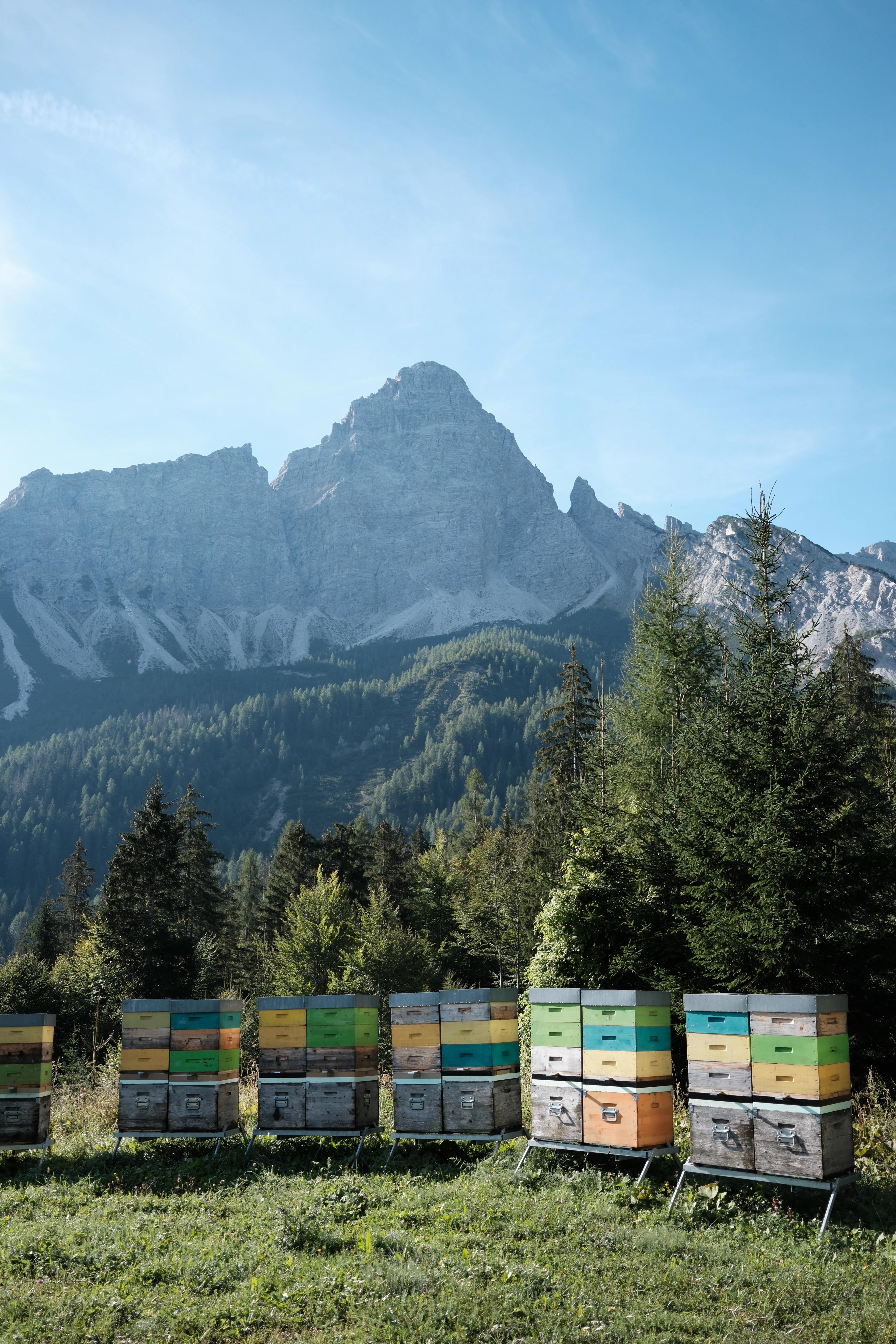
Genesis is not easy to define. A festival, an open-air gastronomic event, collaborative dinners, places nestled between walls and mountains, walks, workshops. For its sixth edition, the event conceived by Ludovica Rubini and Riccardo Gaspari made time the common thread of an experience where gastronomy, territory and human encounters meet. The time we give, receive, take or run away from. The Picnic Guide tells the story through five moments, five dishes, like chapters of the same story.
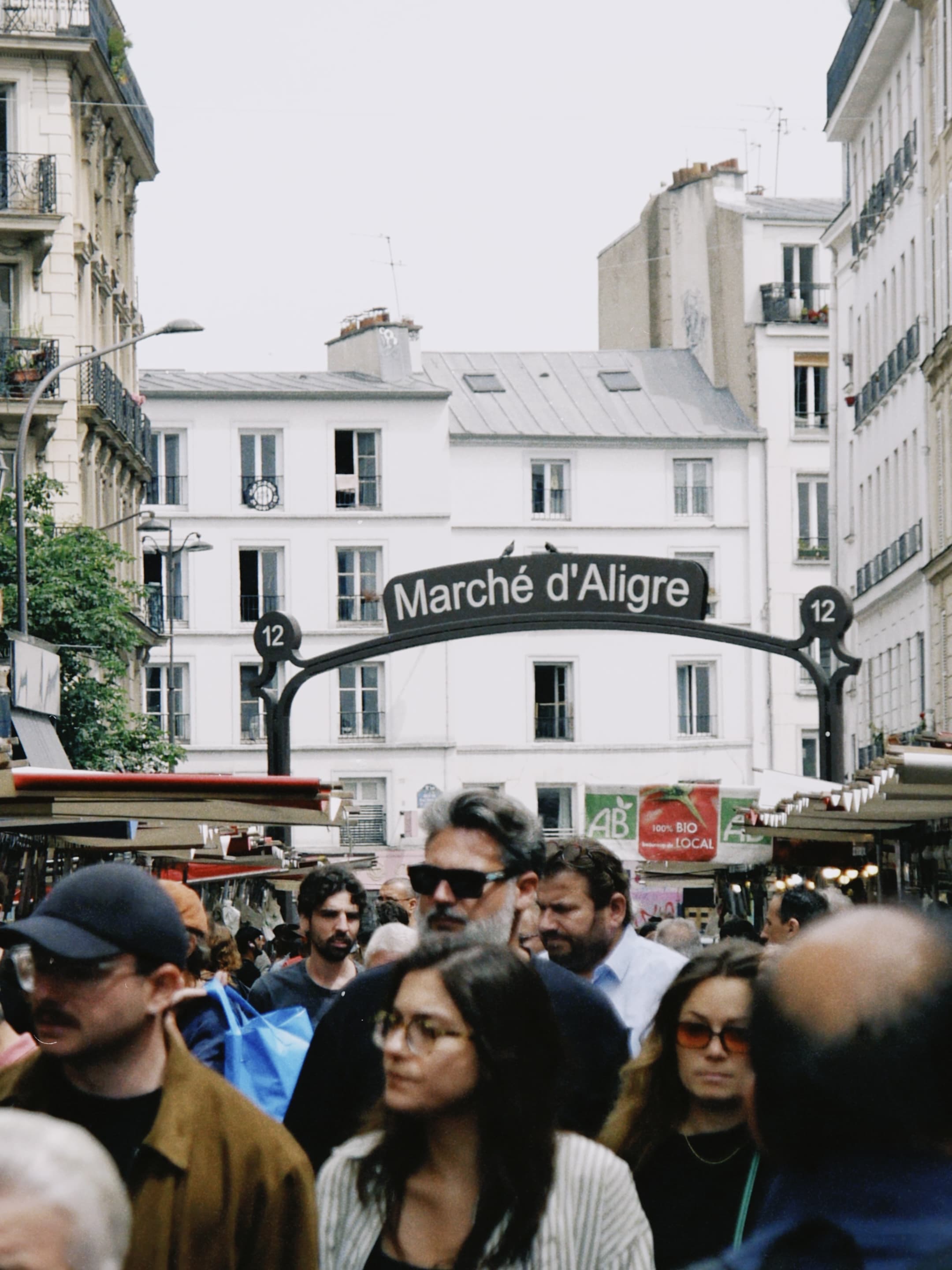
We all have a reason to go to the market: starting with a coffee at the corner café, getting drawn into conversation by our favorite vendors, bumping into friends from the night before between the aisles, grabbing a quick bite, and filling our basket with things that weren’t on the list. The Aligre Market is one of Paris’s must-see attractions.
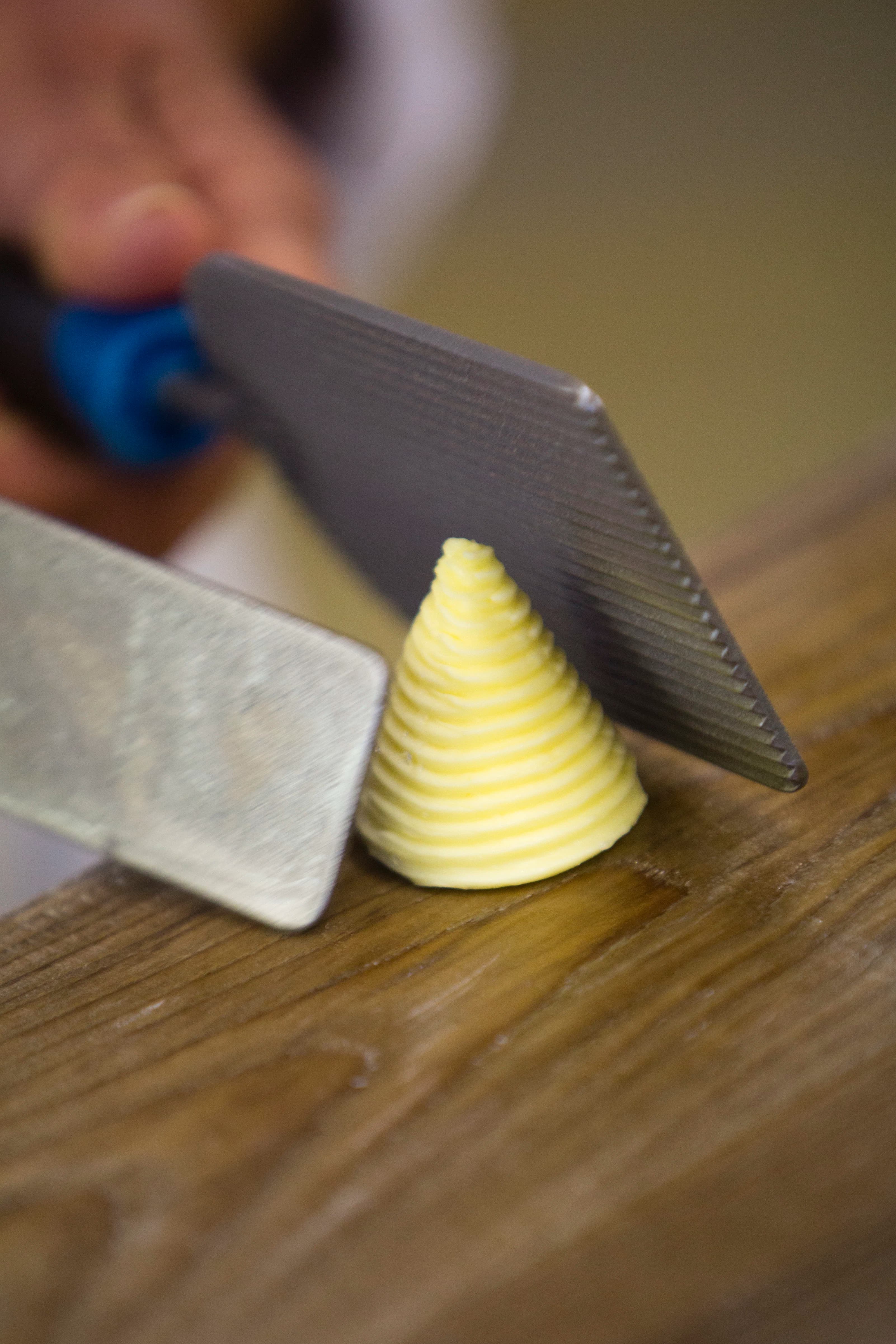
A ridged block, wrapped in its now iconic translucent paper: it’s hard to miss Bordier butter. From Michelin-starred tables to neighborhood bistros, it has pulled off the feat of reinventing an ancestral craft without betraying the gesture. An identity card for Brittany butter with resounding success.
Step inside the shop and you’re transported to another world. They gesture with their hands, they speak Italian—Carlo and Martina bustle behind the counter, serving the city’s most Italian Parisians—and vice versa. The conversation gets going right at the counter, as we try not to think too much about all the excellent products surrounding us so we can stay focused.
At first glance, La Centrale Agricole gives no indication that life is thriving everywhere inside. A concrete building, large glass doors, plastic curtains, service elevators, and a maze of corridors where footsteps echo. Yet this is where some twenty urban agriculture projects are being incubated, from coffee roasting and fish farming to growing microgreens and raising insects. That morning, we are meeting Virginie Boivin. In a message, the president of La Centrale and head grower at Champignons Big Bloc told us: it’s a hectic time. September is a busy month because the City of Montréal is organizing Ferme en ville, a series of events centered on urban agriculture.